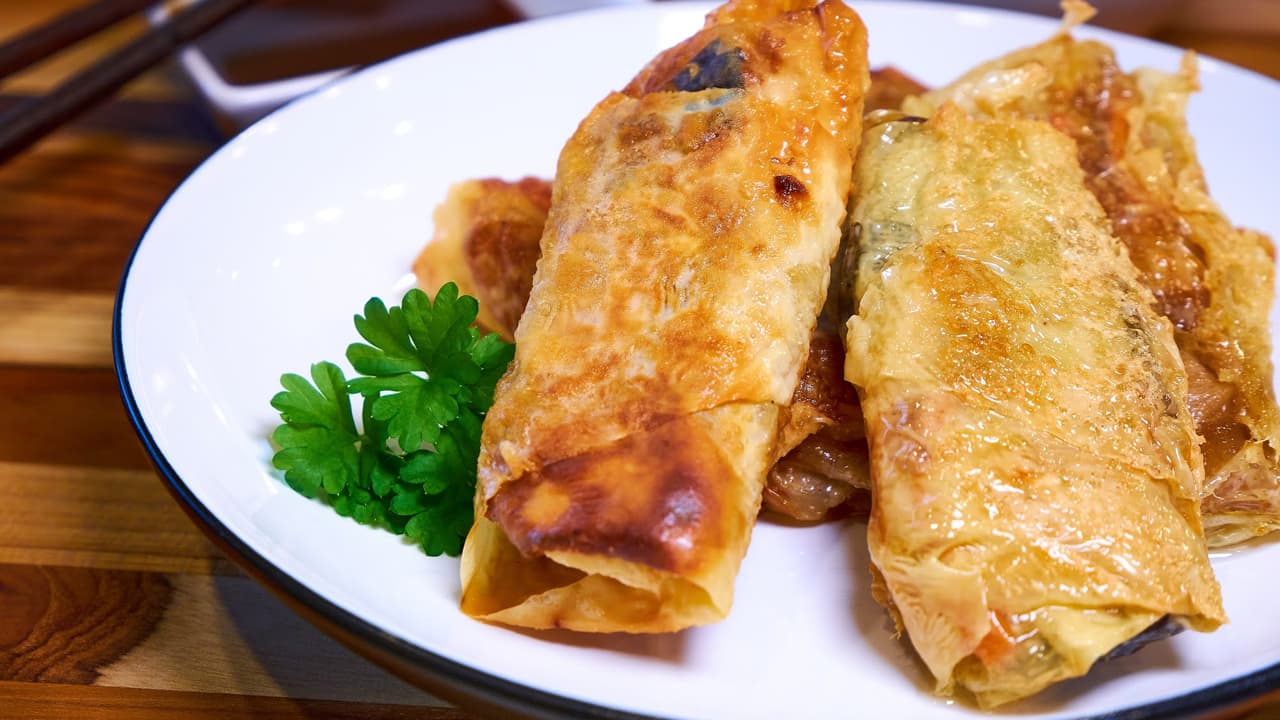
The Simple Beauty of Pan-Fried Beancurd Skin – A Low-Oil, Healthy Home-Style Flavor
Compared to the rich crispiness of deep-frying, pan-fried beancurd skin and pan-fried beancurd rolls showcase a different kind of simple beauty. Using less oil and a gentler cooking method, they slowly release the bean aroma of the beancurd skin and the savory flavor of the filling, presenting a fresh yet flavorful home-style character.
Part 1: The Unique Charm of Pan-Fried Beancurd Skin
Compared to the rich crispiness of deep-frying, pan-fried beancurd skin and pan-fried beancurd rolls showcase a different kind of simple beauty. Using less oil and a gentler cooking method, they slowly release the bean aroma of the beancurd skin and the savory flavor of the filling, presenting a fresh yet flavorful home-style character.
The advantage of being low-oil and healthy: The biggest characteristic of pan-fried beancurd skin is that it uses far less oil than deep-frying. This means the finished product does not absorb excessive oil, resulting in a lighter texture and relatively lower calories. For those who value health and control their calorie intake, pan-fried beancurd skin is an excellent choice, allowing you to enjoy the deliciousness of beancurd skin without worrying about greasiness.
The ultimate expression of bean aroma: During pan-frying, the beancurd skin slowly releases its bean fragrance as it heats over a gentle flame, creating a unique aroma. This aroma is not as intense as deep-frying but is more delicate and lingering, evoking a warm, homey feeling. The bean fragrance of pan-fried beancurd skin is what many associate with the taste of mother's cooking, the taste of home.
Dual-layered texture: When properly pan-fried, the outer layer of the beancurd skin develops a thin, delicate crispiness—not as hard or brittle as deep-frying—while the inner layer remains soft and seamlessly blends with the filling. This dual texture of crispiness outside, tenderness within, with a hint of chewiness, is the unique charm of pan-fried beancurd skin.
Natural aesthetic of color: The color of pan-fried beancurd skin is not as uniformly golden as deep-fried versions; instead, it develops naturally irregular golden-brown spots. This natural aesthetic gives pan-fried beancurd skin a more handmade feel, more warmth, as if it were a home-style dish straight from the family kitchen.
Part 2: Oil Quantity and Cookware Selection for Pan-Fried Beancurd Skin
To achieve perfect pan-fried beancurd skin, the choice of oil quantity and cookware is crucial. Here are some practical suggestions.
Controlling oil quantity: Pan-frying does not require large amounts of oil like deep-frying; just a thin layer covering the bottom of the pan is sufficient. Generally, use enough oil to coat the pan bottom and prevent sticking. Too little oil容易 causes sticking and uneven cooking; too much oil results in a semi-deep-fried effect, losing the light texture expected of pan-fried beancurd skin.
Choosing the right cookware: A non-stick pan is the ideal choice for pan-frying beancurd skin, as it effectively prevents sticking during heating. If using a stainless steel or cast iron pan, ensure the pan is hot enough, there is sufficient oil, and the pan is thoroughly preheated before adding the beancurd skin to achieve a non-stick effect.
Controlling pan temperature: Pan temperature control is equally important. The ideal pan temperature is medium heat, allowing the pan to reach the right temperature before adding oil and beancurd skin. A simple test: drop a few drops of water into the pan; if the water droplets dance and evaporate quickly, the temperature is right. If the pan is too cool, the beancurd skin容易 absorbs oil and becomes greasy; if too hot, the exterior容易 burns while the interior remains undercooked.
Choosing the right oil: When pan-frying beancurd skin, it is recommended to use oils with a high smoke point, such as canola oil, grapeseed oil, or sunflower oil. These oils remain stable at high temperatures without producing harmful substances. Olive oil has a relatively low smoke point and is not suitable for pan-frying beancurd skin, as it容易 produces smoke and a bitter taste.
Part 3: Step-by-Step Guide to Pan-Frying Beancurd Rolls
Once you've mastered the basics, let's walk through the complete steps for pan-frying beancurd rolls.
Step 1: Preparation. Take frozen or refrigerated beancurd rolls out and let them sit at room temperature for 5–10 minutes to allow the surface to warm slightly. This prevents the skin from cracking due to extreme temperature differences. Prepare a non-stick pan, oil, a spatula, and your favorite dipping sauces.
Step 2: Preheat the pan. Place the pan over medium heat and heat for about 1 minute until it reaches the appropriate temperature. Test by dropping a few drops of water; if they dance and evaporate quickly, the temperature is right.
Step 3: Add oil. Add a suitable amount of oil to the pan, swirling to coat the bottom evenly. Use just enough oil to form a thin layer covering the pan surface.
Step 4: Add the beancurd rolls. Arrange the beancurd rolls neatly in the pan, leaving some space between them for easy flipping. Once added, do not move them immediately. Let the bottom side fry for about 2–3 minutes until it forms a golden, crispy crust.
Step 5: Flip and continue frying. Carefully flip the rolls using a spatula and fry for another 2–3 minutes until the other side is also golden. Flip gently to avoid tearing the skin or exposing the filling.
Step 6: Fry the sides (optional). For an even crispier texture, you can stand the rolls on their sides and briefly fry the edges. This step is optional but can enhance the final result.
Step 7: Remove and drain. When both sides are evenly golden and the exterior feels crispy when touched with chopsticks, remove the rolls from the pan. Place them on a wire rack to drain excess oil or on paper towels to absorb any remaining oil.
Step 8: Serve immediately. Pan-fried beancurd rolls are best enjoyed hot to experience the optimal crispy-on-the-outside, tender-on-the-inside texture. Serve with your favorite dipping sauces, such as soy paste, garlic vinegar, or sweet chili sauce.
Part 4: Creative Variations and Pairings for Pan-Fried Beancurd Skin
Beyond classic beancurd rolls, beancurd skin itself offers many creative pan-frying applications.
Pan-Fried Beancurd Skin Shrimp Cakes: Pound shrimp into a paste and mix with a little pork fat, water chestnuts, and seasonings to form a filling. Spread the filling on a piece of beancurd skin, cover with another piece, and gently press into a patty shape. Pan-fry both sides until golden. The result is crispy on the outside, tender within, with a sweet shrimp flavor—a very popular home-style dish. Serve with sweet chili sauce or Thai sweet and sour sauce for enhanced flavor.
Pan-Fried Beancurd Skin Vegetable Rolls: Cut carrots, asparagus, enoki mushrooms, and other vegetables into thin strips, blanch until cooked, and drain. Wrap them in beancurd skin to form small rolls, then pan-fry with a little oil until golden on both sides. This light, healthy dish is perfect as a light meal or bento side. Serve with Japanese-style soy sauce or sesame sauce to add flavor.
Pan-Fried Beancurd Skin Dumplings: Cut beancurd skin into circles or squares to replace dumpling wrappers. Wrap with seasoned meat or vegetable filling, seal the edges with a little flour paste, and pan-fry with a little oil until golden on both sides. These dumplings have an extra layer of bean aroma and a richer texture than traditional dumplings—a creative and unique dish.
Pan-Fried Beancurd Skin Omelet: Place a piece of beancurd skin in the pan, pour in beaten eggs, and sprinkle with chopped spring onions, diced ham, or other toppings. When the egg is half-set, roll up the omelet and continue frying until golden. This beancurd skin omelet has a crispy exterior and tender interior—a distinctive breakfast option.
Pan-Fried Beancurd Skin Cheese Rolls: Place a layer of shredded cheese, ham slices, or a little spinach on a piece of beancurd skin, roll it up, and pan-fry with a little oil until golden and the cheese has melted. Serve hot for a satisfying cheese pull—a creative snack that children love.
Part 5: Storage and Application Tips for Pan-Fried Beancurd Skin
If you can't finish all your pan-fried beancurd rolls at once, they can be properly stored and used as bento ingredients or quick-cooking staples.
Refrigeration: Allow pan-fried beancurd rolls to cool completely, then store them in an airtight container in the refrigerator for about 2–3 days. Before serving, reheat in a pan or oven to restore crispiness.
Freezing: For longer storage, freeze pan-fried beancurd rolls. Allow them to cool, wrap individually in plastic wrap, and place in a freezer bag before sealing and freezing. This prevents sticking and makes them easy to retrieve. Frozen pan-fried beancurd rolls can be reheated directly in an oven or air fryer without thawing.
Bento application: Pan-fried beancurd rolls are ideal for bento boxes, as they maintain good texture even after reheating. Cut them into sections and arrange with other side dishes for a visually appealing and delicious bento.
Quick-cooking staple: Make a larger batch of pan-fried beancurd rolls and store them refrigerated or frozen for quick meals. For example, cut them into sections and braise with Chinese cabbage and glass noodles for a fast home-style dish, or slice them and stir-fry with vegetables for a quick meal.
Shun Lung's pan-fried beancurd skin and pan-fried beancurd roll series are designed to meet the needs of health-conscious consumers who prefer lighter flavors. Through this product, we hope to allow more people to enjoy the deliciousness of beancurd skin in a simple, healthy way. Whether it's the classic pan-fried beancurd rolls or creative pan-fried applications, they can add a unique touch to your dining table.