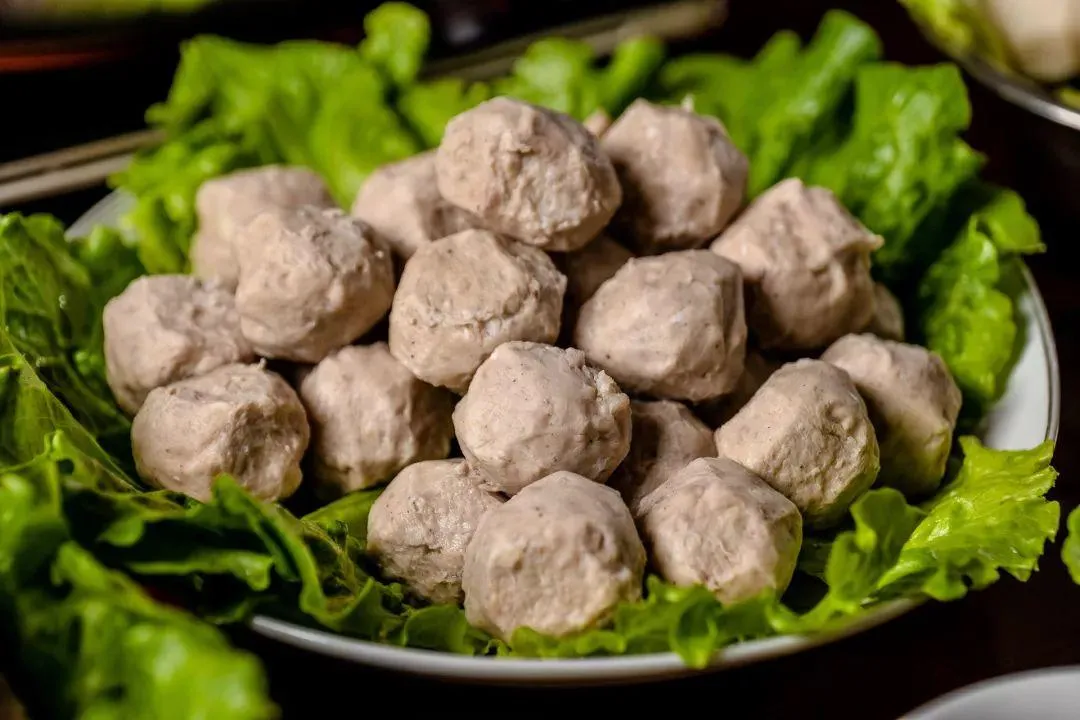
The Allure of Beef Tendon Balls – The Science and Craft Behind the Springy Texture
Among Shun Lung's beef ball series, beef tendon balls have always had a loyal following. The biggest difference between them and classic beef balls lies in the richness of their textural layers – that unique sensation of "springiness intertwined with chewiness, chewiness with a hint of crunch" that turns many first-time tasters into regular customers. Where exactly does this unique texture come from? Let's explore from the perspectives of science and craftsmanship.
Part 1: Where Does the Unique Texture of Beef Tendon Balls Come From?
Among Shun Lung's beef ball series, beef tendon balls have always had a loyal following. The biggest difference between them and classic beef balls lies in the richness of their textural layers – that unique sensation of "springiness intertwined with chewiness, chewiness with a hint of crunch" that turns many first-time tasters into regular customers. Where exactly does this unique texture come from? Let's explore from the perspectives of science and craftsmanship.
The addition of beef tendon is key. Beef tendon balls, as the name suggests, incorporate an appropriate amount of beef tendon into the beef base. Beef tendon comes from areas of the cow that are frequently used, containing abundant collagen and connective tissue, giving it a tough yet elastic texture. After proper processing, the tendon can form a unique network structure within the meatball, giving the final product its distinctive texture.
Processing techniques determine the final texture. Handling the beef tendon is one of the most critical steps in making beef tendon balls. First, the tendon must be thoroughly cleaned to remove excess fat and impurities. Next, it is cut into small, uniform dice – this step requires experience and patience, as dice that are too large will affect the texture, while those too small won't provide the intended layering. The processed tendon dice are then mixed and beaten with fresh beef paste in a specific proportion.
The science behind the beating process. When the beef paste and tendon dice are mixed and undergo repeated beating and pounding, the proteins in the beef gradually denature and form a network structure that tightly envelops the tendon dice. Simultaneously, the collagen in the tendon is partially activated during the beating process, further enhancing the overall structural strength. This dual action, both physical and chemical, gives beef tendon balls their unique texture – possessing the elasticity expected of beef balls, along with the chewiness and granular sensation brought by the tendon.
Chemical changes during heating. When beef tendon balls are heated, the proteins in the beef coagulate and set, while the collagen in the tendon partially hydrolyzes into gelatin, bringing more moisture and flavor to the meatball. This is why beef tendon balls make the broth particularly rich and savory when used in soups – the gelatin from the tendon slowly releases into the liquid, creating a delicious soup.
Part 2: Comparing Beef Tendon Balls and Classic Beef Balls
Many people often confuse beef tendon balls with classic beef balls, even mistakenly believing they are the same product. In fact, they differ significantly in ingredient composition, texture characteristics, and suitable cooking methods. Let's analyze these differences in detail.
Differences in ingredients: Classic beef balls have a relatively simple ingredient list, mainly beef and basic seasonings, aiming for pure beef flavor. Beef tendon balls, on the other hand, incorporate a specific proportion of tendon dice on the beef base. Getting this proportion right is key – too little tendon fails to provide the intended textural layers; too much tendon affects the structural integrity of the balls. Shun Lung's beef tendon balls have undergone反复 testing to find the optimal proportion, allowing the flavor and texture of the tendon to be showcased恰到好处.
Differences in texture characteristics: Classic beef balls aim for a firm, springy texture. The uniform elasticity and burst of meat juices upon biting are their charm. Beef tendon balls are more complex – the first bite delivers the expected springiness of a beef ball, followed immediately by the韧性 released from the hidden tendon dice between your teeth, offering a thought-provoking chewing experience. This dual texture of "spring first, then chewiness" is what sets beef tendon balls apart.
Differences in flavor profile: Classic beef balls have a relatively straightforward flavor – pure beef aroma. Beef tendon balls, because they contain tendon, release more gelatin and flavor during heating, resulting in a richer, more robust taste. Especially after stewing, beef tendon balls can make the broth exceptionally sweet and savory, an effect difficult to achieve with pure beef balls.
Differences in suitable cooking methods: Classic beef balls, with their straightforward flavor, suit various cooking methods, whether soups, hot pot, stir-fries, or grilling. Beef tendon balls are particularly well-suited for longer stewing, such as in beef ball soups, borscht, or curries, as their gelatin can slowly release, adding layers of flavor to the dish. Of course, beef tendon balls are also an ideal choice for hot pot, especially in spicy Mala or Satay broths, where their charm is fully expressed.
Part 3: A Perfect Cooking Guide for Beef Tendon Balls
To maximize the deliciousness of beef tendon balls, mastering the cooking method and timing is crucial. Here are suggestions for different cooking methods, hoping to help you cook the most delicious beef tendon balls.
Classic Beef Tendon Ball Soup: This is the best way to appreciate the original flavor. Place cold water and a few slices of ginger in a pot, add frozen beef tendon balls directly (no need to thaw), and slowly heat to a boil. After boiling, reduce to medium-low heat and continue cooking for about 8-10 minutes until the balls float and slightly expand, indicating they are cooked through. Season with a little salt and white pepper, then sprinkle with chopped spring onions or celery. This seemingly simple soup best showcases the umami and texture of beef tendon balls.
Spicy Mala Beef Tendon Ball Pot: For those who enjoy bold flavors, try cooking beef tendon balls in a spicy Mala broth. The strong flavors of the Mala broth complement the rich texture of the beef tendon balls perfectly, creating a very satisfying combination. It's recommended to add beef tendon balls along with other ingredients like tofu, duck blood, or intestines, and simmer for over 20 minutes to allow the balls to fully absorb the essence of the broth. Enjoy with a dipping sauce made from minced garlic and sesame oil for enhanced flavor.
Satay Beef Tendon Ball Skewers: This dish is perfect for gatherings or picnics. First, blanch the beef tendon balls, drain, and skewer them with bamboo sticks, about 3-4 per skewer. In a separate pan, combine satay sauce, peanut butter, coconut milk, a little sugar, and water, cooking until smooth and thickened to a适中 consistency. Place the skewers on a baking tray, brush with a layer of satay sauce, and bake in a preheated oven at 180°C for about 8-10 minutes, turning and brushing with more sauce halfway through. The finished satay beef tendon balls are aromatic with a rich Southeast Asian flavor, making them a popular party snack.
Radish Stewed Beef Tendon Balls: This is a very homestyle yet nourishing soup. Peel and cut white radish into chunks. Place them in a pot with beef tendon balls and a few slices of ginger, add enough water, bring to a boil over high heat, then reduce to low heat and simmer for about 30 minutes until the radish is soft and the broth turns milky white. Season with salt and sprinkle with cilantro or chopped spring onions before serving. This soup is sweet and滋润, with the gelatin from the tendon balls perfectly blending with the sweetness of the radish – particularly suitable for autumn and winter.
Part 4: Nutritional Value and Health Benefits of Beef Tendon Balls
Beyond their deliciousness, beef tendon balls also offer considerable nutritional value. Consumed in moderation, they can provide several health benefits.
A source of high-quality protein: The main components of beef tendon balls are beef and tendon, both excellent sources of high-quality protein. Protein is essential for tissue repair and growth, playing a crucial role in maintaining muscle mass and boosting immunity.
Supplementation of collagen: Beef tendon is rich in collagen, a nutrient beneficial for skin, joints, and bone health. Collagen helps maintain skin elasticity, lubricates joints, and enhances bone韧性. Although the human body can synthesize collagen on its own, supplementing moderately through diet can still be beneficial.
Intake of minerals: Beef is rich in various minerals, especially iron and zinc. Iron is essential for blood formation and helps prevent anemia; zinc plays a key role in immune function, wound healing, cell division, and other important physiological processes.
The principle of moderation: Of course, as a processed meat product, beef tendon balls also contain certain amounts of fat and sodium. It's important to consume them in moderation. It is recommended to eat them with plenty of vegetables to increase satiety and balance nutritional intake. For example, add white radish, carrots, or cabbage to beef tendon ball soup; when stir-frying, pair them with celery, bell peppers, or onions for a more balanced meal.
Shun Lung's beef tendon balls, while pursuing deliciousness, also emphasize the quality of raw materials and rigorous production processes. We hope that through this product, consumers can enjoy a unique texture while eating with peace of mind and good health.